IPL Toss Impact Analysis (Last 5 Seasons Data Study) | Does Toss Really Matter?
Posted on March 4, 2026 by admin
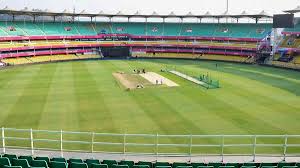
IPL Toss Impact Analysis (Last 5 Seasons Data Study)
Does Winning the Toss Really Decide the Match?
In T20 cricket, especially in the Indian Premier League (IPL), the toss is often considered a game-changing moment. Fans celebrate it. Commentators analyze it. Bettors react instantly.
But does winning the toss truly increase the chances of winning the match?
In this detailed IPL toss impact analysis, we examine trends from the last five seasons, study venue behavior, dew influence, and strategic captain decisions to determine how important the toss actually is.
This is a data-driven breakdown designed to help you think analytically rather than emotionally.
Why Toss Is Considered Important in IPL
The toss determines:
• Batting first or chasing
• How teams approach powerplay
• Bowling combinations
• Field placements
• Match tempo strategy
Unlike Test cricket, T20 matches are short and momentum-driven. Small advantages can create significant impact.
But does toss statistically guarantee success?
Let’s analyze.
IPL Toss Winning Percentage vs Match Winning Percentage
Over the last five IPL seasons, historical patterns suggest:
• Toss-winning teams win approximately 50–55% of matches overall.
• The advantage is slightly higher at certain venues.
• In some seasons, toss had minimal influence.
This means toss offers an edge—but not a guarantee.
The impact depends heavily on conditions.
Venue-Wise Toss Impact Analysis
Different IPL venues show different trends.
1️⃣ Mumbai – High Dew Influence
Mumbai matches, especially night games, often experience heavy dew.
Trend:
• Teams chasing after winning toss have higher success rate.
• Bowlers struggle in second innings due to wet ball.
Conclusion:
At dew-heavy venues, toss becomes more influential.
2️⃣ Chennai – Slow Surface Dynamics
Chennai traditionally offers slower pitches.
Trend:
• Teams batting first often defend successfully.
• Pitch deteriorates slightly as match progresses.
Conclusion:
Toss matters, but batting quality against spin matters more.
3️⃣ Kolkata – Balanced Conditions
Eden Gardens has generally produced balanced matches.
Trend:
• No consistent toss-based dominance.
• Team performance often outweighs toss factor.
Conclusion:
Toss less decisive compared to team strength.
4️⃣ Delhi – High Scoring Surface
Short boundaries and flat pitch.
Trend:
• Chasing slightly preferred.
• However, big totals defended successfully multiple times.
Conclusion:
Toss impact moderate, but not overwhelming.
Dew Factor: The Real Game Changer
If one factor significantly increases toss importance in IPL, it is dew.
When dew is heavy:
• Spinners lose grip
• Yorkers become harder to execute
• Fielding errors increase
• Chasing becomes easier
Captains often prefer bowling first under such conditions.
In seasons where dew was prominent, toss-winning teams had slightly higher success rate.
Day Matches vs Night Matches
Another important observation:
Day Matches:
• Dew absent
• Pitch behavior consistent
• Toss impact lower
Night Matches:
• Dew unpredictable
• Conditions shift after 10–12 overs
• Toss impact higher
So, toss value increases during night fixtures.
Psychological Factor of Toss
Winning the toss can:
• Boost captain confidence
• Allow preferred strategy
• Reduce uncertainty
However, psychological comfort does not equal statistical certainty.
Strong teams often win regardless of toss outcome.
Toss vs Team Strength: Which Matters More?
Consider these scenarios:
Scenario 1:
A strong batting team loses toss but bats first on flat pitch.
They still score 200+ and win.
Scenario 2:
A weaker team wins toss but lacks depth to chase 190.
They still lose.
Conclusion:
Team quality outweighs toss advantage in most cases.
Toss amplifies strengths but does not create them.
Toss Decision Patterns in Last 5 Seasons
Analyzing decision trends:
• Majority of captains prefer chasing in modern IPL.
• Trend increased over recent seasons.
• Teams trust their ability to calculate target rather than set one.
However, in playoffs and finals:
• Teams sometimes prefer batting first due to pressure of chasing in knockout games.
Context matters.
Playoff & Knockout Matches Toss Study
In high-pressure games:
• Scoreboard pressure plays bigger role.
• Teams batting first have defended totals successfully.
• Chasing under knockout pressure increases risk.
Therefore, toss influence may reduce slightly in playoff scenarios compared to league matches.
When Toss Matters Most
Toss becomes highly important when:
✔ Heavy dew expected
✔ Pitch deteriorates quickly
✔ Surface assists specific bowling type
✔ Match is low-scoring contest
Toss matters less when:
✔ Flat batting pitch
✔ Strong teams with balanced lineup
✔ No dew conditions
Common Misconceptions About Toss
❌ “Toss winner always wins”
Reality: Only slight statistical advantage.
❌ “Chasing is always better”
Reality: Depends on pitch and match pressure.
❌ “Never bet before toss”
Reality: If pitch neutral, early value may exist.
Understanding nuance prevents emotional reactions.
How to Analyze Toss Strategically
Before reacting to toss result:
- Check venue trend.
- Confirm dew possibility.
- Review team batting depth.
- Assess bowling strength in both innings.
Toss should adjust your analysis—not replace it.
Example Analytical Case
Venue: Mumbai
Condition: Night match
Forecast: Heavy dew
Strong chasing team wins toss
In such scenario:
Chasing probability increases slightly.
But if chasing team lacks finishing strength, toss benefit reduces.
Context remains key.
Long-Term Data Perspective
Across five IPL seasons:
• Toss alone does not guarantee consistent betting profit.
• Combining toss analysis with pitch data improves accuracy.
• Overreacting to toss leads to poor risk management.
Professional bettors treat toss as one variable among many.
Responsible Decision Reminder
Even if toss provides statistical edge:
• Cricket remains volatile.
• One over can change match direction.
• Unexpected performances happen.
Disciplined bankroll management is essential.
Final Verdict: Does Toss Really Matter?
Yes—but conditionally.
Toss matters significantly when:
• Dew heavily impacts game.
• Pitch behavior changes drastically.
• Match expected to be low-scoring.
Toss matters less when:
• Surface is flat.
• Teams are evenly matched.
• Conditions remain stable.
Smart IPL analysis means integrating toss data with pitch, venue history, and team strength—not reacting impulsively.
Frequently Asked Questions (FAQ)
1. What percentage of IPL matches are won by toss-winning teams?
Historically around 50–55%, depending on season and venue conditions.
2. Is chasing better in IPL?
Chasing has been preferred in recent seasons, especially in dew-heavy night matches.
3. Does toss matter in IPL finals?
It matters, but pressure and team quality often play larger roles in knockout matches.
4. Should betting decisions depend only on toss?
No. Toss should be one factor among pitch, team form, and venue data.
5. Which factor is more important: pitch or toss?
Pitch conditions generally have greater long-term impact than toss alone.
