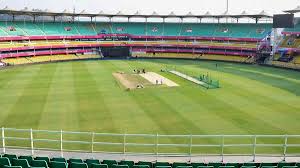
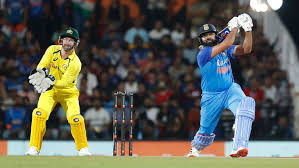
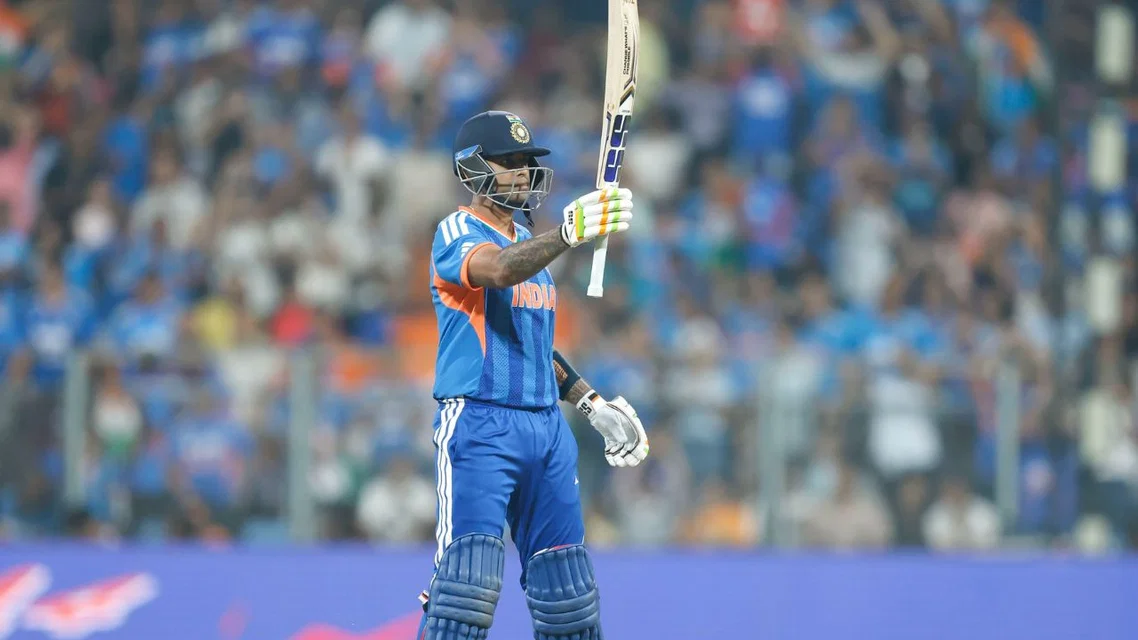
Evolution of IPL: From 2008 to 2026

Introduction

IPL started in 2008 and quickly became a global phenomenon.

Early Years

  • Focus on entertainment
  • Introduction of franchise model

Growth Phase

  • Increased viewership
  • Bigger sponsorship deals

Modern IPL

  • Advanced analytics
  • Global reach
  • Digital dominance

Conclusion

IPL has evolved into a global sports powerhouse.

Why IPL is the Biggest Cricket League in the World

Introduction

IPL is not just a cricket tournament—it is a global brand. From record-breaking viewership to billion-dollar valuations, IPL has set benchmarks that no other cricket league has achieved.

Massive Viewership

IPL attracts millions of viewers worldwide. Digital streaming has expanded its reach globally.

Financial Power

IPL generates revenue through:

  • Sponsorships
  • Broadcasting rights
  • Franchise investments

Global Talent Pool

Players from different countries participate, making it highly competitive.

Entertainment + Sports

IPL blends cricket with entertainment, making it appealing to a wider audience.

Strong Branding

Each team has strong identity and fan base.

Conclusion

IPL dominates due to its scale, entertainment, and global appeal.

Economics Behind IPL Franchises

The Indian Premier League (IPL) has grown into one of the most influential cricket tournaments in the world. This article explores the topic of economics behind ipl franchises and how it shapes the dynamics of modern T20 cricket. Teams participating in the league constantly experiment with tactics, preparation methods, and player roles to gain a competitive advantage. Modern franchises rely on detailed planning and preparation. Coaches, analysts, and players work together to evaluate performance metrics, pitch conditions, and opposition strategies. Over time, these efforts have transformed the league into a platform where innovation and tactical thinking are just as important as raw talent. Another factor that makes the IPL unique is the combination of experienced international players and young domestic cricketers. This mix allows new talents to learn quickly while contributing energy and fearlessness to their teams.

The result is a tournament filled with dramatic moments, tactical battles, and thrilling finishes. Technology also plays an important role in modern cricket preparation. Teams use video analysis, performance tracking, and statistical insights to improve decision making. By studying patterns in player performances and match situations, franchises can adapt their strategies to different conditions and opponents. Fans around the world follow the league not only for entertainment but also for the tactical evolution of the sport. Each season introduces new ideas such as innovative batting techniques, creative bowling variations, and improved fielding standards. These developments influence cricket beyond the IPL and often shape how the sport is played globally. Ultimately, success in the IPL depends on a team’s ability to adapt quickly. Teams that understand the importance of preparation, teamwork, and strategic planning are more likely to succeed over the course of a demanding tournament season.

The Indian Premier League (IPL) has grown into one of the most influential cricket tournaments in the world. This article explores the topic of economics behind ipl franchises and how it shapes the dynamics of modern T20 cricket. Teams participating in the league constantly experiment with tactics, preparation methods, and player roles to gain a competitive advantage. Modern franchises rely on detailed planning and preparation. Coaches, analysts, and players work together to evaluate performance metrics, pitch conditions, and opposition strategies. Over time, these efforts have transformed the league into a platform where innovation and tactical thinking are just as important as raw talent. Another factor that makes the IPL unique is the combination of experienced international players and young domestic cricketers. This mix allows new talents to learn quickly while contributing energy and fearlessness to their teams.

The result is a tournament filled with dramatic moments, tactical battles, and thrilling finishes. Technology also plays an important role in modern cricket preparation. Teams use video analysis, performance tracking, and statistical insights to improve decision making. By studying patterns in player performances and match situations, franchises can adapt their strategies to different conditions and opponents. Fans around the world follow the league not only for entertainment but also for the tactical evolution of the sport. Each season introduces new ideas such as innovative batting techniques, creative bowling variations, and improved fielding standards. These developments influence cricket beyond the IPL and often shape how the sport is played globally. Ultimately, success in the IPL depends on a team’s ability to adapt quickly. Teams that understand the importance of preparation, teamwork, and strategic planning are more likely to succeed over the course of a demanding tournament season. The Indian Premier League (IPL) has grown into one of the most influential cricket tournaments in the world. This article explores the topic of economics behind ipl franchises and how it shapes the dynamics of modern T20 cricket.

Teams participating in the league constantly experiment with tactics, preparation methods, and player roles to gain a competitive advantage. Modern franchises rely on detailed planning and preparation. Coaches, analysts, and players work together to evaluate performance metrics, pitch conditions, and opposition strategies. Over time, these efforts have transformed the league into a platform where innovation and tactical thinking are just as important as raw talent. Another factor that makes the IPL unique is the combination of experienced international players and young domestic cricketers. This mix allows new talents to learn quickly while contributing energy and fearlessness to their teams. The result is a tournament filled with dramatic moments, tactical battles, and thrilling finishes. Technology also plays an important role in modern cricket preparation. Teams use video analysis, performance tracking, and statistical insights to improve decision making. By studying patterns in player performances and match situations, franchises can adapt their strategies to different conditions and opponents. Fans

FAQ

Q: What makes the IPL so popular worldwide?

A: The IPL combines international stars, young domestic players, advanced broadcasting, and exciting match formats.

Q: How do IPL teams prepare for matches?

A: Teams analyze opponents, study pitch conditions, practice match scenarios, and use analytics for planning.

Q: Why are strategies important in T20 cricket?

A: Short match duration means tactical decisions such as bowling changes and batting order can quickly impact results.

Q: How does the IPL help young players?

A: Young players gain exposure by competing with experienced international cricketers.

Q: Does innovation in IPL influence global cricket?

A: Yes, strategies and techniques developed in the IPL often spread to other leagues and international cricket.

Conclusion

The IPL continues to influence modern cricket through strategy, innovation, and exciting performances. As teams refine their preparation and tactics, the league will remain one of the most important platforms for the evolution of T20 cricket.

The Role of All‑Rounders in Winning IPL Championships

The Indian Premier League has changed the way modern cricket is played and analyzed. Over the years the tournament has become a laboratory of innovation where teams constantly experiment with tactics, player roles, and match strategies. Coaches, analysts, and players spend countless hours studying performances to find even the smallest competitive advantage. One of the biggest reasons for the league’s popularity is the high intensity of T20 cricket. Every over matters, and a small moment can completely change the result of a match. Because of this, franchises invest heavily in preparation, sports science, and strategic planning. Modern IPL teams rely on a mix of experienced international stars and emerging domestic players. This blend creates an exciting environment where young talents learn from world‑class professionals while contributing fresh energy and fearless cricket. Another

major factor behind the IPL’s success is its ability to evolve every season. Teams constantly adjust strategies depending on pitch conditions, player form, and opposition strengths. Coaches and analysts review past matches, evaluate statistical trends, and create match simulations to prepare players for different situations. Technology has also played an important role in the league’s development. Performance tracking tools, video analysis, and advanced statistics help teams understand player strengths and weaknesses more clearly than ever before. With this information, captains can make better decisions regarding bowling changes, batting order adjustments, and field placements. Fans also benefit from this evolution. Matches have become more competitive and entertaining as teams push the boundaries of innovation. Whether it is explosive batting, clever bowling variations, or athletic

fielding, the IPL continues to redefine the standards of T20 cricket. Because the tournament attracts players from around the world, strategies from different cricketing cultures blend together. Australian aggression, English analytics, South African pace bowling traditions, and Indian spin mastery all combine to create a unique cricketing ecosystem. Ultimately the success of any IPL team depends on how well it adapts to pressure situations. Teams that remain flexible, confident, and tactically aware usually perform better across a long season. The combination of skill, planning, and execution is what separates champions from the rest of the competition. The Indian Premier League has changed the way modern cricket is played and analyzed. Over the years the tournament has become a laboratory of innovation where teams constantly experiment with tactics, player roles, and match strategies.

Coaches, analysts, and players spend countless hours studying performances to find even the smallest competitive advantage. One of the biggest reasons for the league’s popularity is the high intensity of T20 cricket. Every over matters, and a small moment can completely change the result of a match. Because of this, franchises invest heavily in preparation, sports science, and strategic planning. Modern IPL teams rely on a mix of experienced international stars and emerging domestic players. This blend creates an exciting environment where young talents learn from world‑class professionals while contributing fresh energy and fearless cricket. Another major factor behind the IPL’s success is its ability to evolve every season. Teams constantly adjust strategies depending on pitch conditions, player form, and opposition strengths. Coaches and analysts review past matches, evaluate

statistical trends, and create match simulations to prepare players for different situations. Technology has also played an important role in the league’s development. Performance tracking tools, video analysis, and advanced statistics help teams understand player strengths and weaknesses more clearly than ever before. With this information, captains can make better decisions regarding bowling changes, batting order adjustments, and field placements. Fans also benefit from this evolution. Matches have become more competitive and entertaining as teams push the boundaries of innovation. Whether it is explosive batting, clever bowling variations, or athletic fielding, the IPL continues to redefine the standards of T20 cricket. Because the tournament attracts players from around the world, strategies from different cricketing cultures blend together. Australian aggression, English analytics,

South African pace bowling traditions, and Indian spin mastery all combine to create a unique cricketing ecosystem. Ultimately the success of any IPL team depends on how well it adapts to pressure situations. Teams that remain flexible, confident, and tactically aware usually perform better across a long season. The combination of skill, planning, and execution is what separates champions from the rest of the competition. The Indian Premier League has changed the way modern cricket is played and analyzed. Over the years the tournament has become a laboratory of innovation where teams constantly experiment with tactics, player roles, and match strategies. Coaches, analysts, and players spend countless hours studying performances to find even

FAQ

Q: What makes the IPL different from other cricket leagues?

A: The IPL combines international star players, young domestic talent, high level broadcasting, and innovative strategies, making it the most competitive T20 league in the world.

Q: Why is strategy so important in T20 cricket?

A: Because matches are short and fast paced, strategic decisions such as batting order, bowling changes, and field placements can directly influence the result.

Q: How do teams prepare for IPL matches?

A: Teams analyze opposition players, practice different match scenarios, study pitch reports, and rely on analytics and coaching insights to prepare.

Q: Why do fans love the IPL so much?

A: The league offers thrilling finishes, powerful batting, global stars, and intense rivalries which make every match exciting to watch.

Q: Does IPL help young cricketers?

A: Yes, many young players gain international exposure and experience by playing alongside some of the best cricketers in the world.

Conclusion

The IPL continues to push the boundaries of modern cricket through innovation, strategy, and thrilling performances. As teams adapt to new tactics and technologies, the tournament will keep evolving and delivering unforgettable moments for cricket fans around the world.


IPL Captaincy Impact Analysis 2026 | How Leadership Decisions Change Match Outcomes

IPL Captaincy Impact Analysis 2026

How Leadership Decisions Change Match Outcomes

In the Indian Premier League (IPL), talent wins moments — but leadership wins matches.

While star batters and bowlers dominate headlines, the captain’s decisions often determine the direction of the game. From toss calls to bowling rotations, field placements to pressure handling, captaincy plays a crucial role in T20 cricket.

In IPL 2026, where margins are razor-thin and matches often go down to the final over, captaincy impact becomes even more significant.

This detailed analysis explains how leadership decisions influence match outcomes and how you can evaluate captaincy strategically when analyzing IPL games.


Why Captaincy Matters More in T20 Cricket

T20 is the shortest format in professional cricket. Each decision has amplified consequences.

A captain controls:

• Toss decision
• Batting order adjustments
• Bowling changes
• Field placements
• Match tempo
• Review calls (DRS)

Unlike longer formats, there is little time to recover from mistakes in T20.

One poor decision can swing momentum permanently.


Toss Decision: The First Leadership Test

The captain’s first impact comes at the toss.

The decision to bat or bowl first depends on:

• Pitch behavior
• Dew forecast
• Team strengths
• Opponent weaknesses

For example:

• On a slow surface, batting first may create scoreboard pressure.
• On a dew-heavy night, chasing becomes preferable.

A captain who reads conditions correctly increases team probability before the first ball is bowled.


Bowling Rotation Strategy

Bowling changes are one of the most crucial captaincy responsibilities.

Strong captains:

✔ Use strike bowlers in key overs
✔ Hold back death specialists
✔ Introduce spinners during pressure phases
✔ Avoid predictable patterns

Poor rotation can:

❌ Allow batters to settle
❌ Waste match-winning bowlers
❌ Lose control in middle overs

In IPL, middle overs (7–15) often determine match outcome. A captain who manages these overs well gains a significant advantage.


Field Placement Intelligence

Field settings reflect tactical awareness.

Aggressive Captain:

• Attacking fields for new batters
• Slip placements early
• Close-in fielders for spinners

Defensive Captain:

• Protects boundaries
• Avoids risk
• Plays safe in powerplay

Sometimes defensive fields invite pressure release for opposition.

Smart field positioning adapts ball-by-ball rather than following rigid templates.


Batting Order Flexibility

Modern IPL captaincy includes dynamic batting order adjustments.

Examples:

• Sending a finisher early against spin
• Promoting aggressive hitter during powerplay
• Protecting an out-of-form player

Rigid batting orders often fail in unpredictable match situations.

Flexible captaincy increases scoring efficiency.


Powerplay Management

Powerplay is critical in IPL.

Captain decisions in first 6 overs include:

• Attacking with pace or spin
• Slip presence
• Deep field placements

Winning powerplay phase often sets tone for entire innings.

A captain who reads match tempo early creates momentum advantage.


Death Overs Strategy

Last 4–5 overs are match-defining.

Captain must decide:

• Which bowler handles pressure
• Field placements for yorkers
• When to take timeout

Strong captains back experienced bowlers.

Weak decisions in death overs frequently cost matches.


Handling Pressure Situations

Leadership is tested when:

• Opposition builds strong partnership
• Required run rate spikes
• Key player gets injured
• Match goes to final over

Calm captains stabilize team mindset.

Emotional or reactive captains sometimes make rushed decisions.

Composure is often the invisible difference between victory and defeat.


Data-Driven Captaincy in Modern IPL

Recent IPL seasons show:

• Captains increasingly rely on analytics
• Match-up strategies used more frequently
• Data influences bowling matchups

Examples include:

• Specific bowler used against particular batter
• Spinner introduced immediately against left-right combination

Captains who adapt to modern data trends often outperform traditional approaches.


Captaincy Influence on Team Confidence

A strong leader builds:

• Clear role definitions
• Trust in squad players
• Positive dressing room culture

Teams with stable captaincy:

• Perform consistently
• Recover faster after losses
• Handle close matches better

Frequent captain changes often disrupt rhythm.


Captaincy Impact in Close Matches

IPL has many last-over finishes.

In such matches, small captaincy decisions matter:

• Saving review for correct moment
• Choosing experienced bowler
• Adjusting field on final ball

Statistics suggest top captains win a higher percentage of close games compared to inexperienced leaders.

Clutch leadership defines tournament success.


Captaincy vs Team Strength

Important distinction:

Great captain + weak team = limited success
Strong team + average captain = competitive performance

However, when teams are evenly matched, superior captaincy often becomes deciding factor.

Leadership magnifies strengths and hides weaknesses.


Common Captaincy Mistakes in IPL

❌ Overusing main bowler early
❌ Delaying attacking fields
❌ Ignoring pitch behavior
❌ Emotional DRS reviews
❌ Not adapting to left-right combinations

Recognizing these patterns helps in match analysis.


Case-Based Scenario Analysis

Scenario:

Pitch slowing down
Opposition 60/0 after 6 overs
Captain introduces spin early

If spin immediately breaks partnership, match swings.

If captain delays spin introduction, batters may dominate.

Timing is everything.


Playoff Leadership Pressure

In knockout games:

• Scoreboard pressure increases
• Fielding intensity rises
• Decision-making becomes harder

Experienced captains often manage playoff pressure better than new leaders.

IPL history shows that stable captaincy frequently correlates with championship success.


How to Analyze Captaincy Before a Match

Before evaluating match prediction:

  1. Review captain’s historical win rate.
  2. Assess record at specific venue.
  3. Analyze performance in close matches.
  4. Observe adaptability across seasons.
  5. Consider team morale under leadership.

Captaincy evaluation adds depth to match assessment.


Long-Term Strategic Insight

Across IPL seasons:

• Leadership stability improves team performance.
• Tactical captains win more close matches.
• Captaincy impact is strongest in balanced contests.

Ignoring leadership analysis leaves a gap in match evaluation.


Responsible Analysis Reminder

Even great captains cannot:

• Control individual brilliance
• Prevent unexpected collapses
• Eliminate randomness in T20

Captaincy increases probability — not certainty.

Balanced decision-making remains key.


Final Conclusion

Captaincy in IPL 2026 remains one of the most influential variables in match outcomes.

Strong leadership improves:

✔ Tactical execution
✔ Pressure management
✔ Resource allocation
✔ Team morale

When analyzing IPL matches, consider captaincy alongside:

Team Strength + Pitch Conditions + Venue History + Toss Impact

Leadership is often the hidden edge that separates close victories from narrow defeats.


Frequently Asked Questions (FAQ)

1. How important is captaincy in IPL?
Very important. Tactical decisions in T20 format significantly impact match momentum and outcomes.


2. Does captain experience matter in IPL?
Yes. Experienced captains often handle pressure situations better, especially in playoffs.


3. Can a good captain change a weak team’s performance?
To some extent. Leadership can improve team confidence, but overall squad strength still matters.


4. Do captains influence bowling changes significantly?
Absolutely. Bowling rotation decisions are among the most crucial captaincy responsibilities.


5. Is captaincy more important than toss?
In many cases, yes. Captaincy decisions continue throughout the match, while toss is a one-time event.


 

IPL Toss Impact Analysis (Last 5 Seasons Data Study) | Does Toss Really Matter?


IPL Toss Impact Analysis (Last 5 Seasons Data Study)

Does Winning the Toss Really Decide the Match?

In T20 cricket, especially in the Indian Premier League (IPL), the toss is often considered a game-changing moment. Fans celebrate it. Commentators analyze it. Bettors react instantly.

But does winning the toss truly increase the chances of winning the match?

In this detailed IPL toss impact analysis, we examine trends from the last five seasons, study venue behavior, dew influence, and strategic captain decisions to determine how important the toss actually is.

This is a data-driven breakdown designed to help you think analytically rather than emotionally.


Why Toss Is Considered Important in IPL

The toss determines:

• Batting first or chasing
• How teams approach powerplay
• Bowling combinations
• Field placements
• Match tempo strategy

Unlike Test cricket, T20 matches are short and momentum-driven. Small advantages can create significant impact.

But does toss statistically guarantee success?

Let’s analyze.


IPL Toss Winning Percentage vs Match Winning Percentage

Over the last five IPL seasons, historical patterns suggest:

• Toss-winning teams win approximately 50–55% of matches overall.
• The advantage is slightly higher at certain venues.
• In some seasons, toss had minimal influence.

This means toss offers an edge—but not a guarantee.

The impact depends heavily on conditions.


Venue-Wise Toss Impact Analysis

Different IPL venues show different trends.

1️⃣ Mumbai – High Dew Influence

Mumbai matches, especially night games, often experience heavy dew.

Trend:
• Teams chasing after winning toss have higher success rate.
• Bowlers struggle in second innings due to wet ball.

Conclusion:
At dew-heavy venues, toss becomes more influential.


2️⃣ Chennai – Slow Surface Dynamics

Chennai traditionally offers slower pitches.

Trend:
• Teams batting first often defend successfully.
• Pitch deteriorates slightly as match progresses.

Conclusion:
Toss matters, but batting quality against spin matters more.


3️⃣ Kolkata – Balanced Conditions

Eden Gardens has generally produced balanced matches.

Trend:
• No consistent toss-based dominance.
• Team performance often outweighs toss factor.

Conclusion:
Toss less decisive compared to team strength.


4️⃣ Delhi – High Scoring Surface

Short boundaries and flat pitch.

Trend:
• Chasing slightly preferred.
• However, big totals defended successfully multiple times.

Conclusion:
Toss impact moderate, but not overwhelming.


Dew Factor: The Real Game Changer

If one factor significantly increases toss importance in IPL, it is dew.

When dew is heavy:

• Spinners lose grip
• Yorkers become harder to execute
• Fielding errors increase
• Chasing becomes easier

Captains often prefer bowling first under such conditions.

In seasons where dew was prominent, toss-winning teams had slightly higher success rate.


Day Matches vs Night Matches

Another important observation:

Day Matches:
• Dew absent
• Pitch behavior consistent
• Toss impact lower

Night Matches:
• Dew unpredictable
• Conditions shift after 10–12 overs
• Toss impact higher

So, toss value increases during night fixtures.


Psychological Factor of Toss

Winning the toss can:

• Boost captain confidence
• Allow preferred strategy
• Reduce uncertainty

However, psychological comfort does not equal statistical certainty.

Strong teams often win regardless of toss outcome.


Toss vs Team Strength: Which Matters More?

Consider these scenarios:

Scenario 1:
A strong batting team loses toss but bats first on flat pitch.
They still score 200+ and win.

Scenario 2:
A weaker team wins toss but lacks depth to chase 190.
They still lose.

Conclusion:
Team quality outweighs toss advantage in most cases.

Toss amplifies strengths but does not create them.


Toss Decision Patterns in Last 5 Seasons

Analyzing decision trends:

• Majority of captains prefer chasing in modern IPL.
• Trend increased over recent seasons.
• Teams trust their ability to calculate target rather than set one.

However, in playoffs and finals:

• Teams sometimes prefer batting first due to pressure of chasing in knockout games.

Context matters.


Playoff & Knockout Matches Toss Study

In high-pressure games:

• Scoreboard pressure plays bigger role.
• Teams batting first have defended totals successfully.
• Chasing under knockout pressure increases risk.

Therefore, toss influence may reduce slightly in playoff scenarios compared to league matches.


When Toss Matters Most

Toss becomes highly important when:

✔ Heavy dew expected
✔ Pitch deteriorates quickly
✔ Surface assists specific bowling type
✔ Match is low-scoring contest

Toss matters less when:

✔ Flat batting pitch
✔ Strong teams with balanced lineup
✔ No dew conditions


Common Misconceptions About Toss

❌ “Toss winner always wins”
Reality: Only slight statistical advantage.

❌ “Chasing is always better”
Reality: Depends on pitch and match pressure.

❌ “Never bet before toss”
Reality: If pitch neutral, early value may exist.

Understanding nuance prevents emotional reactions.


How to Analyze Toss Strategically

Before reacting to toss result:

  1. Check venue trend.
  2. Confirm dew possibility.
  3. Review team batting depth.
  4. Assess bowling strength in both innings.

Toss should adjust your analysis—not replace it.


Example Analytical Case

Venue: Mumbai
Condition: Night match
Forecast: Heavy dew
Strong chasing team wins toss

In such scenario:

Chasing probability increases slightly.

But if chasing team lacks finishing strength, toss benefit reduces.

Context remains key.


Long-Term Data Perspective

Across five IPL seasons:

• Toss alone does not guarantee consistent betting profit.
• Combining toss analysis with pitch data improves accuracy.
• Overreacting to toss leads to poor risk management.

Professional bettors treat toss as one variable among many.


Responsible Decision Reminder

Even if toss provides statistical edge:

• Cricket remains volatile.
• One over can change match direction.
• Unexpected performances happen.

Disciplined bankroll management is essential.


Final Verdict: Does Toss Really Matter?

Yes—but conditionally.

Toss matters significantly when:

• Dew heavily impacts game.
• Pitch behavior changes drastically.
• Match expected to be low-scoring.

Toss matters less when:

• Surface is flat.
• Teams are evenly matched.
• Conditions remain stable.

Smart IPL analysis means integrating toss data with pitch, venue history, and team strength—not reacting impulsively.


Frequently Asked Questions (FAQ)

1. What percentage of IPL matches are won by toss-winning teams?
Historically around 50–55%, depending on season and venue conditions.


2. Is chasing better in IPL?
Chasing has been preferred in recent seasons, especially in dew-heavy night matches.


3. Does toss matter in IPL finals?
It matters, but pressure and team quality often play larger roles in knockout matches.


4. Should betting decisions depend only on toss?
No. Toss should be one factor among pitch, team form, and venue data.


5. Which factor is more important: pitch or toss?
Pitch conditions generally have greater long-term impact than toss alone.


Fantasy Cricket Tips: Maximizing Points in T20 World Cup 2026

The ICC T20 World Cup 2026 promises explosive batting, tactical bowling, and unpredictable results. For fantasy cricket players, this tournament presents a golden opportunity to maximize points and dominate leagues — but success requires smart strategy, statistical analysis, and awareness of player form.

This guide explains how to build a strong fantasy team for T20 World Cup 2026, including player selection, pitch reading, captaincy decisions, and scoring trends.


Why Fantasy Cricket Matters in T20 World Cup

Fantasy cricket adds another layer of excitement to the tournament:

  • Every run and wicket earns points
  • In-form players can dramatically impact scores
  • Captain and vice-captain choices multiply points
  • Increases fan engagement and competition

With proper planning, fantasy players gain a significant edge over casual participants.


Understanding the Fantasy Points System

Although scoring varies across platforms, common systems include:

  • Runs Scored: 1 point per run
  • Boundaries: 1 point for fours, 2 points for sixes
  • Wickets: 10–25 points depending on type
  • Dot Balls, Maidens, Catches, Stumpings: Bonus points
  • Captain/Vice-Captain: 2× and 1.5× multipliers

Understanding this structure helps prioritize high-impact players like top-order batters, strike bowlers, and all-rounders.


Choosing Players: Key Strategies

1️⃣ Top-Order Batters

Openers and top-order players face the most deliveries, increasing scoring potential.

  • Look for high strike rates and consistency
  • Analyze recent T20 and Indian Premier League performances
  • Evaluate opposition bowling strength

2️⃣ Wicket-Taking Bowlers

Wickets earn major fantasy points.

  • Select strike bowlers and death-over specialists
  • Study pitch conditions and venue trends
  • Target bowlers facing aggressive batting lineups

3️⃣ All-Rounders

All-rounders offer dual scoring opportunities.

  • Contribute with both bat and ball
  • Provide consistent baseline points
  • Add balance to fantasy teams

4️⃣ Captain & Vice-Captain Selection

Your captain choice can decide the contest.

  • Select in-form openers or impact bowlers
  • Consider pitch conditions
  • Analyze head-to-head performance

Smart captaincy multiplies your total score significantly.


Using Statistics for a Fantasy Edge

Data-driven decisions outperform guesswork:

  • Player performance in last 5–10 matches
  • Powerplay and death-over efficiency
  • Venue-specific batting/bowling averages
  • Head-to-head match records

Statistics help avoid emotional or popularity-based selections.


Pitch and Venue Impact on Fantasy Scores

Pitch conditions directly influence fantasy outcomes:

  • Flat batting tracks: Favor top-order batters
  • Spin-friendly surfaces: Boost spinner points
  • Seaming conditions: Benefit early wicket-takers

Understanding venue trends improves player and captain selection.


Risk Management in Fantasy Teams

Reduce risk with smart balance:

  • Mix star players with in-form mid-tier picks
  • Avoid overloading one category
  • Monitor team news for injuries or lineup changes

Balanced teams often outperform all-star but high-risk combinations.


IPL Insights for World Cup Fantasy

Performance in the Indian Premier League often predicts World Cup form:

  • Powerplay and death-over specialists carry momentum
  • Emerging IPL stars can deliver breakout performances
  • Teams with multiple in-form players increase fantasy potential

Tracking IPL trends gives fantasy managers a competitive advantage.


Conclusion

Maximizing fantasy points in the ICC T20 World Cup 2026 requires:

  • Smart player selection
  • Pitch and venue awareness
  • Balanced team structure
  • Strategic captain/vice-captain choices
  • Continuous tracking of form and statistics

By combining research with calculated risk, fantasy players can significantly improve their chances of winning leagues while enjoying the excitement of the tournament.


FAQs

Which players are best for fantasy points in T20 World Cup 2026?
In-form openers, strike bowlers, and reliable all-rounders are top choices.

How does captain selection affect fantasy points?
Captains earn double points, making the right choice critical.

Should I consider venue trends?
Yes, pitch and ground conditions directly impact player performance.

Can IPL stats predict World Cup performance?
Yes, consistent IPL performers often carry their form into global tournaments.

How do I balance risk in fantasy teams?
Mix proven stars with in-form mid-tier players and track updates regularly.

Are death-over bowlers valuable?
Yes, wickets in death overs generate high fantasy returns.

Should I adjust my team before every match?
Yes, adapt based on confirmed lineups and pitch reports.

Can all-rounders outperform specialists?
Often yes, due to multi-category contributions.

Is it better to pick big hitters or anchors as captain?
Depends on pitch conditions and match situation.

How important is tracking player form?
Extremely important — in-form players consistently deliver higher fantasy points.

Safe Betting Practices for ICC T20 World Cup 2026 – Protect Your Money & Account

The ICC T20 World Cup 2026 is set to attract millions of cricket fans and sports bettors worldwide. With fast-paced matches and unpredictable outcomes, online betting can be exciting—but it also carries risks if proper precautions are not taken.

Protecting your money and account security is just as important as understanding teams, players, and betting markets. This guide explains how to gamble responsibly, secure your account, and enjoy a safe betting experience during T20 World Cup 2026.


Why Safe Betting Practices Are Essential

Online betting involves real money. Without safety measures, bettors may face:

  • Account hacking
  • Financial loss
  • Unauthorized withdrawals
  • Addiction or impulsive gambling

Following safe practices protects both your funds and personal data while ensuring long-term enjoyment.


Use Licensed and Trusted Betting Platforms

Always choose reputable and licensed platforms for T20 betting, such as:

  • Play99Exch
  • Gold365
  • CricBet

Licensed platforms provide:

  • Secure payment gateways
  • Verified KYC procedures
  • Fair betting odds
  • Transparent transactions

Avoid unverified websites to reduce fraud risks.


Create Strong Account Credentials

Your account security begins with strong login details:

  • Use long, unique passwords (letters, numbers, symbols)
  • Avoid reusing passwords across platforms
  • Enable two-factor authentication (2FA)
  • Update passwords regularly

Strong credentials significantly reduce hacking risks.


Deposit and Withdrawal Safety Tips

Manage funds responsibly:

  • Deposit only what you can afford to lose
  • Use trusted payment methods (bank transfers, e-wallets)
  • Never share financial details over unsecured networks
  • Track deposits and withdrawals regularly

Monitoring transactions helps prevent fraud and overspending.


Avoid Impulsive Betting

T20 cricket moves quickly, but betting decisions should not.

  • Set a fixed budget per match or day
  • Do not chase losses with higher stakes
  • Follow researched strategies based on team form and pitch analysis

Discipline is essential for safe and sustainable betting.


Keep Your Device and Network Secure

Account protection also depends on device security:

  • Install updated antivirus software
  • Avoid public Wi-Fi for financial transactions
  • Log out after each session
  • Use encrypted and secure connections

Secure devices reduce vulnerability to cyber threats.


Monitor Your Betting Patterns

Responsible bettors track performance:

  • Maintain records of wins and losses
  • Identify impulsive patterns
  • Adjust strategies accordingly

Self-monitoring encourages healthier gambling habits.


Recognize and Avoid Fraudulent Offers

Be cautious with promotional bonuses:

  • Verify offers on licensed platforms only
  • Avoid clicking unknown links
  • Check reviews before claiming promotions

Smart bettors verify before trusting.


Use Data & Analysis for Smarter Bets

Safe betting also means informed betting:

  • Analyze team and player form
  • Consider pitch and venue trends
  • Review head-to-head statistics
  • Combine multiple factors before placing wagers

Data-driven decisions reduce unnecessary risk.


Set Limits and Practice Responsible Gambling

Always gamble responsibly:

  • Set daily, weekly, or tournament limits
  • Take breaks between sessions
  • Avoid betting under stress or alcohol influence
  • Seek help if gambling feels uncontrollable

Responsible behavior ensures enjoyment without financial harm.


Conclusion

The ICC T20 World Cup 2026 promises excitement for fans and bettors alike. By following safe betting practices, you can protect your funds and personal data while enjoying the tournament.

Key safety reminders:

  • Use licensed platforms
  • Secure your account and devices
  • Set budgets and limits
  • Avoid impulsive betting
  • Verify promotional offers

Combining security, research, and responsibility ensures a positive betting experience.


FAQs

What is the safest way to start betting for T20 World Cup 2026?
Use licensed platforms like Play99Exch, Gold365, or CricBet and deposit only what you can afford to lose.

How do I protect my betting account from hackers?
Use strong passwords, enable two-factor authentication, and avoid public Wi-Fi.

Can I prevent overspending in T20 betting?
Yes, by setting strict daily or tournament-specific budgets.

Are bonus offers always safe?
Only accept promotions from verified and licensed platforms after reviewing terms.

How do I avoid impulsive betting?
Stick to research-based strategies and avoid chasing losses.

Is responsible gambling important?
Absolutely. It protects your finances, mental well-being, and overall enjoyment.

Can device security affect betting safety?
Yes. Malware and unsecured networks can compromise your account.

Should I track betting performance?
Yes, tracking wins and losses improves strategy and reduces risk.

Can analysis improve safe betting?
Yes, studying team form, venue trends, and player stats ensures informed decisions.

What should I do if I feel addicted?
Seek professional help or use responsible gambling tools offered by licensed platforms.

T20 World Cup 2026 Betting on Player Performances

Introduction: Live betting during the T20 World Cup 2026 provides bettors with dynamic opportunities to profit from in-play events. Unlike pre-match bets, live odds fluctuate based on real-time performance, momentum shifts, and statistical trends. Understanding how to analyze these odds, combined with player and team statistics, allows experienced bettors to make informed decisions, capitalize on value bets, and minimize risk. This comprehensive guide covers live odds analysis, statistical insights, proven strategies, and FAQs for both beginners and advanced bettors.

Understanding Live Betting Odds in T20 World Cup 2026 – Live odds change continuously as the match progresses. – Factors influencing live odds: current score, wickets lost, overs remaining, player form, and pitch behavior. – Popular live bets: next wicket, total runs over/under, next boundary, and match winner. – Statistics Insight: Historically, 60% of in-play match winner bets are influenced by the first six overs (powerplay), highlighting the importance of early game analysis.

Strategy: – Track momentum and key partnerships. – Identify when odds undervalue a team or player based on live match data.

Key Statistics to Monitor for Live BettingRun Rate: Teams scoring above 8 runs per over in powerplay have a 70% chance of setting a competitive total. – Wickets in Hand: Teams losing more than 3 wickets in first 6 overs historically win only 40% of matches. – Player Form: Strike rate, average, recent scores, and boundary frequency are critical. – Venue-Specific Stats: Some grounds favor batters or bowlers; Chennai vs. Mumbai matches often see 20% higher run rates in powerplay.

Strategy: – Monitor ball-by-ball scoring and partnerships. – Adjust bets if run rate or wickets trends shift significantly.

Identifying Value Bets in Live Markets – A value bet occurs when the probability implied by odds is lower than the actual likelihood of an outcome. – Example: If a team is 3 wickets down but has 150 runs in 15 overs, the live odds may overvalue the opposition.

Strategy: – Use real-time data analytics to compare actual win probability vs bookmaker odds. – Bet selectively on situations where live odds misrepresent the likelihood of outcomes.

Powerplay and Middle Overs Betting Strategies – Powerplay bets focus on top-order batsmen and initial overs. – Middle overs bets target all-rounders and stabilizers. – Statistics Insight: Matches where top-order batsmen score 40+ runs in powerplay show a 65% win rate.Strategy: – Track top-order partnerships. – Bet on over/under total runs or next wicket during powerplay. – Monitor all-rounders for middle overs bets.

Death Overs Betting and Last-Minute Decisions – Death overs (16-20) are high volatility, offering high-risk, high-reward betting opportunities. – Key metrics: boundary percentage, strike rate, bowler economy. – Statistics Insight: Teams scoring >50 runs in last 4 overs have a 72% win conversion rate when wickets in hand are >=5.

Strategy: – Focus on experienced finishers. – Use live data to adjust bets for next boundary, total runs, or match outcome.

Live Player Performance Metrics – Track in-play metrics: strike rate, balls faced, boundaries, wickets taken, economy rate. – Player momentum can shift live odds significantly.

Strategy: – Use live analytics dashboards. – Place small bets aligned with player form and team momentum.

Odds Movement Analysis Across Platforms – Compare live odds from multiple licensed platforms: Bet365, 10CRIC, Play99Exch, Gold365, CricBet. – Arbitrage opportunities may arise if discrepancies exist.

Strategy: – Monitor odds trends to identify overvalued/undervalued outcomes. – Bet quickly to capitalize on shifting odds.

Combining Live Betting with Fantasy Cricket Insights – Use fantasy player statistics for live betting decisions. – Captain and vice-captain performance in fantasy leagues often mirrors real-life momentum.

Strategy: – Track top fantasy scorers in live matches. – Use data to predict boundaries, wickets, or top run-scorer in real-time.

Risk Management During Live Betting – Avoid over-betting; stick to predefined bankroll allocation. – Set maximum exposure for in-play bets.

Strategy: – Place small, calculated bets. – Avoid emotional decisions during momentum swings.

FAQs for Live Betting

Q1: How is live betting different from pre-match betting?

A1: Odds fluctuate in real-time based on match events, unlike fixed pre-match odds.

Q2: Can I predict outcomes using live statistics?

A2: Yes, analyzing strike rates, run rates, wickets, and partnerships enhances prediction accuracy.

Q3: What platforms offer reliable live betting for T20 2026?

A3: Bet365, 10CRIC, Play99Exch, Gold365, and CricBet are licensed and reliable.

Q4: Is live betting riskier than pre-match betting?

A4: Yes, it requires fast decisions and analysis, but proper strategies and risk management mitigate risk.

Q5: How do I find value bets in real-time?

A5: Compare live odds to actual probabilities based on statistics, player form, and match situation.

Conclusion: Analyzing live odds for the T20 World Cup 2026 combines statistical insights, player monitoring, odds movement, and momentum analysis. By integrating these approaches with responsible risk management, experienced bettors can profit from dynamic in-play markets, leverage fantasy cricket data, and make informed real-time decisions. Live betting mastery enhances both excitement and profit potential during the tournament.

T20 World Cup 2026 Betting on Player Performances: Wickets, Runs & Boundaries

Introduction: Betting on individual player performances during the T20 World Cup 2026 offers high-potential opportunities for both experienced and beginner bettors. By focusing on wickets taken, runs scored, and boundaries hit, bettors can leverage statistical analysis, current form, and live match insights to maximize returns. This detailed guide explores strategies, analytics, betting types, and best practices for player performance betting.

Understanding Player Performance Betting – Player performance bets focus on individual achievements within a match. – Common markets: total runs, boundaries, wickets, dot balls, and economy rate.

Strategy: – Analyze player historical stats and current form. – Factor in pitch conditions and opposition strengths.

Key Statistics for Predicting Runs – Strike rate, average, recent scores, and boundary percentage are vital. – Venue trends: some grounds produce high-scoring matches. – Statistics Insight: Players with a strike rate above 135 and recent scores >30 in last five matches have a 68% probability of scoring 25+ runs.

Strategy: – Focus on consistent top-order batsmen. – Adjust bets based on live scoring patterns.

Betting on Wickets Taken – Bowler performance markets include total wickets, maiden overs, and economy rates. – Consider historical head-to-head data against opposition batsmen. – Statistics Insight: Bowlers with an average of <25 runs per wicket and an economy rate <7 have a 60% chance of taking at least 1 wicket in T20 matches.

Strategy: – Target strike bowlers and death-over specialists. – Monitor pitch conditions for spin or pace-friendly surfaces.

Predicting Boundaries and High-Impact Shots – Track boundary frequency, strike rate, and player role (finisher vs top-order). – Statistics Insight: Players scoring 25+ runs in powerplay with >50% boundary contribution have a 70% chance of hitting multiple boundaries in the innings.

Strategy: – Focus on aggressive players in favorable batting conditions. – Use live data for in-play boundary betting.

Combining Run and Wicket Predictions – Betting on player combinations (e.g., top run-scorer + wicket-taker) increases payout potential.

Strategy: – Analyze statistical correlations. – Use small stakes initially to test predictions.

Using Venue and Pitch Data – Certain pitches favor bowlers, others favor batsmen. – Historical averages at specific stadiums guide performance betting. – Statistics Insight: Chennai and Dharamsala pitches favor batsmen; spinners and death-over bowlers excel in Kolkata and Mumbai.

Strategy: – Adjust bets based on pitch, weather, and match-up analysis. – Consider home conditions for key players.

Live Betting Adjustments – Monitor live strike rates, wickets taken, partnerships, and momentum. – Adjust bets for next wicket, runs over/under, and boundary markets.

Strategy: – Use live dashboards and ball-by-ball tracking. – Bet selectively on in-form players and evolving match conditions.

Risk Management for Player Bets – High volatility due to individual performances. – Allocate smaller stakes and diversify across multiple players.

Strategy: – Combine safe bets (consistent players) with high-risk, high-reward bets (aggressive players). – Track outcomes to refine future strategies.

Using Fantasy Insights to Enhance Betting – Fantasy cricket data mirrors real-world performance potential. – Captain and vice-captain stats can guide live betting decisions.

Strategy: – Cross-reference fantasy points trends with live match stats. – Focus on players scoring consistently across multiple matches.

FAQs on Player Performance Betting

Q1: How do I choose which players to bet on?

A1: Analyze recent form, historical performance, opposition strength, and pitch conditions.

Q2: Can live data improve betting accuracy?

A2: Yes, tracking live runs, wickets, and strike rates allows real-time adjustments.

Q3: Are combination bets safer?

A3: They increase payout potential but require careful analysis of correlations and probabilities.

Q4: Which platforms are reliable for player performance bets?

A4: Bet365, 10CRIC, Play99Exch, Gold365, and CricBet are licensed and secure.

Q5: How can fantasy cricket help in betting?

A5: Fantasy performance trends highlight players likely to score or take wickets, informing strategic betting.

Conclusion: Betting on individual player performances in T20 World Cup 2026—covering wickets, runs, and boundaries—requires statistical analysis, live tracking, venue understanding, and risk management. Integrating fantasy cricket insights, historical data, and live updates ensures more accurate predictions, safer bets, and higher profit potential. These strategies equip bettors to maximize opportunities in the dynamic environment of T20 player performance betting.

WhatsApp Chat